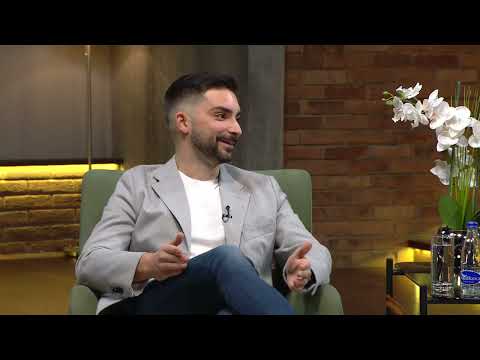

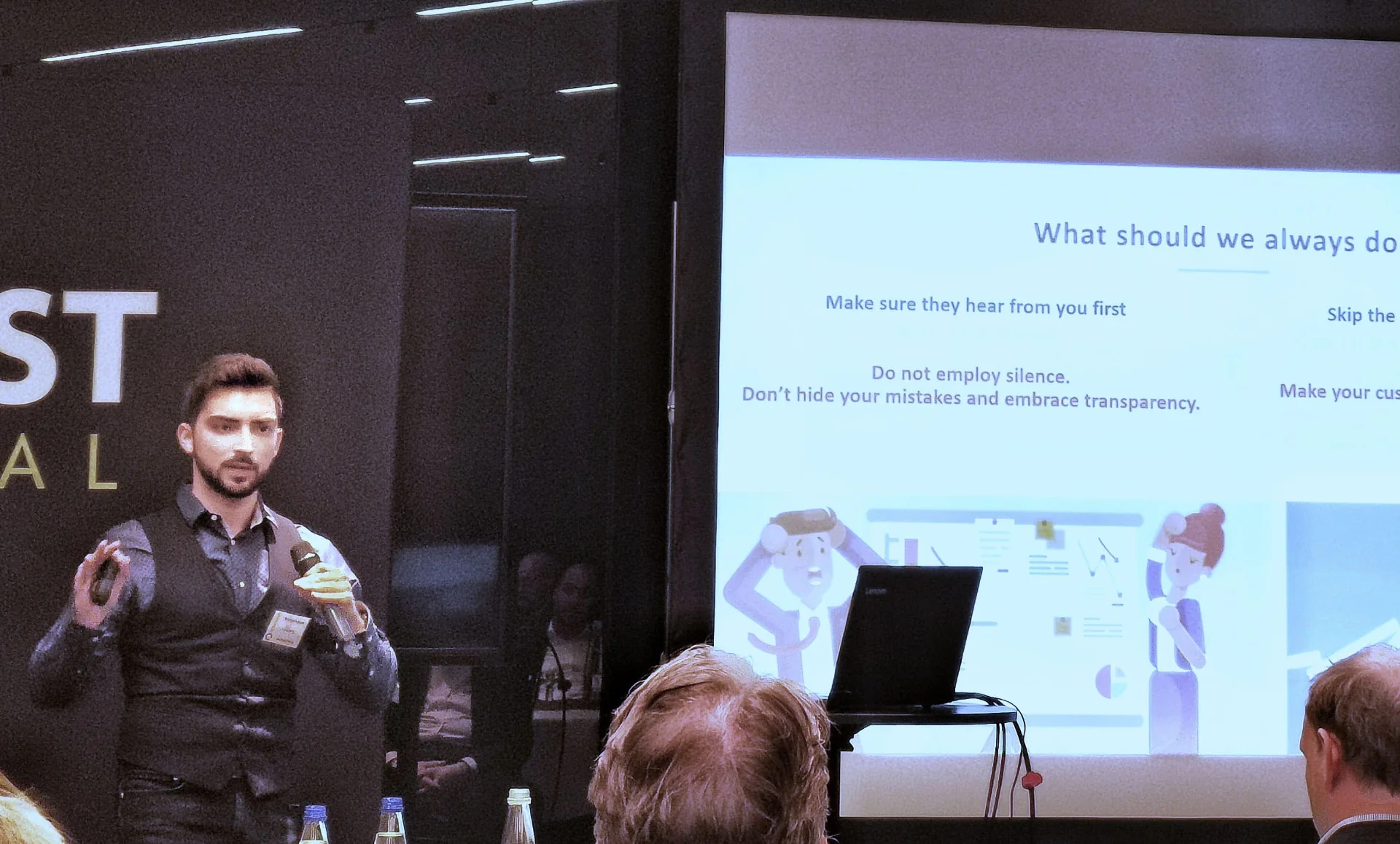
In 2020 and 2021, while I was CISO at Kaia Health in Munich, I gave three interviews about the role: to Cybersecurity Observatory Europe, to the Swiss Cyber Institute and to The Cyber Pro Podcast. One theme runs through all three and is as useful to a company of ten people as to a company of ten thousand. It is what you do after attackers have succeeded.
How I got to the role
I started as an IT helpdesk engineer at Telenor Montenegro. The information security manager there convinced me that the field is both interesting and necessary, and I moved into a security engineering role soon after. At Air Serbia I built an information security management system from the ground up. At DevTech I worked with a young software company on modern security practice. In Germany I led a security team in online travel that protected the data of millions of travellers, and then moved to healthcare, where the data is protected health information on two continents.
At Kaia Health the role covered incident management, governance, risk and compliance, data privacy, physical security, education and awareness, and secure software and product development.
Attackers only need to be right once
A defender has to be right every time, and an attacker only once. I deal with that through a Stoic idea. Do not worry about what is outside your control, and give your best to what is inside it. That lets the person responsible for security keep a cool head and be the voice of reason when the worst happens.
I was born and raised on the coast of Montenegro, and the calm culture there has helped me more than you would think. It keeps your head clear during an attack, when everybody else is losing theirs.
Rehearse before it happens
Rehearse a data breach, even if only in your head. Keep an incident response plan with specific scenarios that your team has practised. A plan nobody has rehearsed will not be followed on the day.
When it happens
- Execute your incident response and crisis plan.
- Gather the team and run a full investigation.
- Never hide evidence of a confirmed breach, and do not stay silent.
- Tell the users whose data is in the hands of criminals.
You have an ethical responsibility to warn the people whose data was taken, even when it costs you money and reputation. In my experience honesty and transparency bring the highest customer retention after a breach.
The ethics we rarely talk about
Security professionals should do what they believe is right and rarely compromise on it. If you have a confirmed data breach and management tells you to keep it quiet, you face a decision about whom you are there to protect, the users or the management. As a security professional your role is bigger than your job description.
The director leads, security follows
The CEO steers the ship and the person responsible for security is the first officer. Security works only when the CEO leads by example. Without that commitment, the security lead will fail regardless of skill.
I see people in this role as communicators, educators and ambassadors of their practice. The best part of the job is that you talk to everyone in the organisation, and that is how you find the risks no standard risk assessment will show you.
What the role demands
- A cool head in hot situations.
- No trading of security for operational efficiency. You make both work through compensating controls.
- Being the person who enables the business, and not the person who says no.
- Strong communication.
- Continuous learning.
In a startup the hardest part is raising security and privacy to a corporate level inside a startup culture. It is solved through adaptation, education and communication.
Security has to be convenient
My rule is that security has to be convenient. I end every awareness training with the same message. There are no stupid questions, and one message or call to the security team might prevent the next company disaster.
Spend most of your energy on educating people. When you raise awareness, you get more support and build ambassadors across the company, and you reach your goals much faster.
What I wish I had known earlier
I realised too late how underrated security is. I wish I had been more active online earlier, to steer young people towards careers in information security and to explain good security to the general public and to business leaders.
My first manager mentored me, and I try to do the same for as many people as I can. If each of us in the profession brought at least one person into the field, the shortage of people would look very different. My advice to anyone considering the career is to pursue it only if you are ready to commit to it fully.
Where this first appeared
InterviewCyber Startup ObservatoryNov 2020
Read the interview in Cybersecurity Observatory Europe (PDF)InterviewSwiss Cyber Institute2020
Read the CISO Interview Series conversationPodcastThe Cyber Pro Podcast #6626 Apr 2021
Watch The Cyber Pro Podcast episode
See what your company has left exposed.
Request a trial